Scottsdale: What to Bring to a PI Consultation in AZ
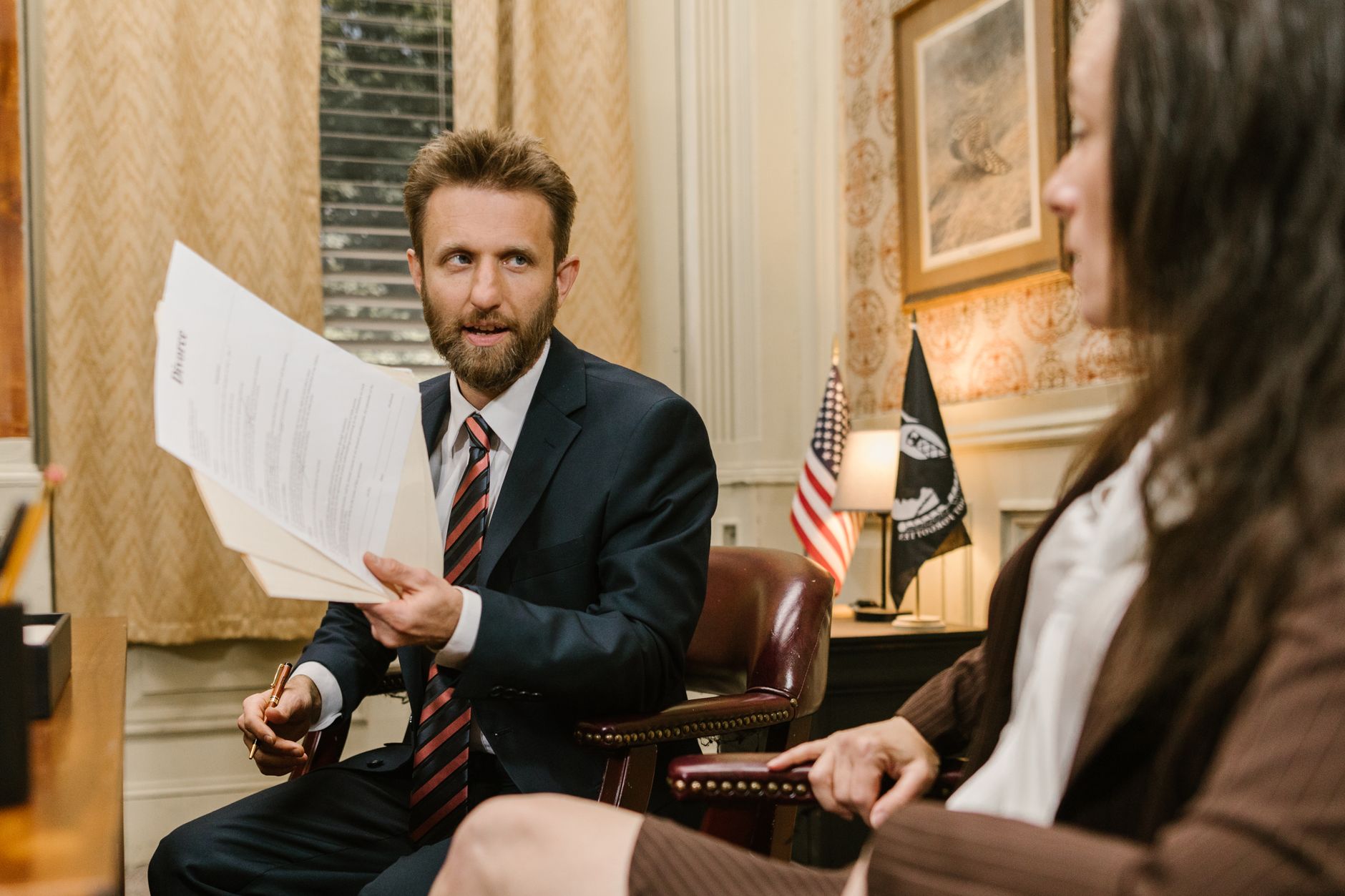
Preparing for your first personal injury lawyer meeting in AZ
If you were injured in a crash, fall, or other incident in Scottsdale, the first meeting with a personal injury attorney is where your case starts to take shape. The more organized you are, the easier it is for the attorney to evaluate liability, damages, insurance coverage, and what steps to take next. It can also help you compare attorneys fairly—based on experience, communication style, and case strategy—rather than just marketing.
This guide covers what to bring to your first attorney consultation Arizona, what questions to ask, and why property damage claims work differently than injury claims in Arizona. You’ll also learn practical criteria for choosing a lawyer and how a matching service can save time when you’re overwhelmed.
Property damage vs. injury claims: why they’re handled differently
Many accident victims assume property damage and injury claims are “one claim.” In reality, they often move on different timelines, use different proof, and involve different negotiation pressure points.
Property damage claims focus on the vehicle (or other property)
Property damage typically includes vehicle repair costs, total loss valuation, towing, storage, and sometimes rental reimbursement. Evidence often centers on:
- Photos of the damage
- Repair estimates or body shop invoices
- Total loss valuation reports
- Vehicle history and pre-loss condition
- Police crash report and scene evidence to support fault
These claims can sometimes be resolved relatively quickly—especially when fault isn’t disputed and the insurer agrees on a reasonable valuation.
Injury claims focus on your medical condition and daily impact
An injury claim is about people: diagnosis, treatment, pain levels, recovery, time missed from work, and how the injury affects your life. That requires different proof, such as:
- Medical records and imaging results
- Itemized medical bills and health insurance statements
- Proof of lost income
- Documentation of symptoms, limitations, and treatment progress
Injury claims may take longer because the value often depends on how you heal, whether you need future treatment, and whether symptoms persist. Settling too early can risk leaving out future care costs.
Why the difference matters for your consultation
At your first meeting, a lawyer may be able to estimate next steps on property damage quickly. Injury valuation, however, usually requires reviewing treatment status, diagnosis, and whether you’ve reached medical improvement. The documents you bring can help the attorney identify what’s missing and what could strengthen your position.
What to bring to your first attorney consultation in Arizona (checklist)
Use the checklist below to prepare for a strong personal injury lawyer meeting AZ. Bring what you have—don’t delay your consultation just because you don’t have everything. A good attorney will tell you what else to gather.
1) Accident and incident documentation
- Police report information (report number, agency, date). If you already have the report, bring it.
- Photos and video from the scene, vehicles, hazards (spill, broken step, poor lighting), and visible injuries.
- Witness information: names, phone numbers, emails, and any written/recorded statements (if you have them).
- Your written timeline: what happened before, during, and after the incident; symptoms onset; medical visits; missed work.
2) Insurance information (all applicable policies)
- Auto insurance declarations page (shows coverages like liability, uninsured/underinsured coverage, medical payments, etc.).
- Health insurance card and any benefit summaries you can access.
- Claim numbers and adjuster contact info for any open auto or property claims.
- Letters or emails from insurers, including reservation-of-rights letters or requests for recorded statements.
Tip: If an insurer asks for a recorded statement and you’re unsure, write down the request and discuss it at the consultation.
3) Medical records and treatment materials
- Discharge papers (ER/urgent care)
- Diagnosis summaries and treatment plans
- Imaging results (X-ray, MRI, CT) and radiology reports if available
- Prescription list and pharmacy receipts related to the injury
- Physical therapy notes or home exercise instructions
If you don’t have copies yet, bring a list of every provider you’ve seen (facility name, date of service). Your attorney can often help you request records.
4) Bills, receipts, and out-of-pocket expenses
- Medical bills and invoices
- Co-pay receipts
- Medical equipment purchases (braces, crutches)
- Transportation costs to treatment (rideshare receipts, mileage logs)
- Home help expenses if your injury required assistance
5) Income and employment documentation
- Recent pay stubs and/or direct deposit records
- Work schedule showing shifts missed
- Doctor’s work restrictions and return-to-work notes
- Employer letter confirming missed time or modified duties (if available)
6) Property damage materials
- Repair estimates and invoices
- Tow and storage bills
- Rental car receipts
- Total loss documents and valuation reports (if the vehicle was totaled)
- Photos of the vehicle before the crash (helpful for condition/value disputes)
7) Communications log
Create a simple log (notes app or document) listing every call/email with insurers or other parties. Include date, who you spoke with, and what was said. Bring:
- Emails, letters, and texts related to the claim
- Any settlement offers (even verbal—write down details)
- Any requests for authorizations or broad medical releases
8) Social media and surveillance awareness
You don’t need to bring your social accounts, but be ready to discuss whether you posted about the incident or your activities afterward. Attorneys often recommend being cautious because insurers may review public posts when evaluating injury claims.
What not to bring (or what to avoid doing) before your consult
- Don’t exaggerate symptoms or limitations. Accuracy builds credibility.
- Don’t sign broad releases you don’t understand. Ask the attorney first if possible.
- Don’t guess about prior injuries. If you have a prior condition, it’s usually better to disclose it and let the attorney address it properly.
- Don’t delay necessary treatment just to “wait and see.” Gaps in care can complicate an injury claim.
Questions to ask at your first meeting (and why they matter)
Bring a written list so you don’t forget. These questions help you compare attorneys based on competence and fit—key when choosing counsel in Scottsdale or anywhere in Arizona.
- Who will handle my case day-to-day? (Attorney vs. team support, communication expectations)
- How do you evaluate liability and damages? (Look for a clear process, not promises.)
- What documentation is missing right now? (A strong lawyer will identify gaps.)
- How do you handle property damage issues alongside an injury claim? (Coordination matters.)
- What are the biggest risks or challenges you see? (Honest issue-spotting is a good sign.)
- How are fees and case costs handled? (Ask for a written explanation.)
How to choose a personal injury attorney in Arizona (practical criteria)
Your consultation is also a screening. Focus on objective and verifiable factors rather than slogans.
Experience with your case type
Ask whether the attorney regularly handles cases like yours—auto collisions, pedestrian injuries, rideshare crashes, dog bites, slip-and-falls, or other injury scenarios. Case-type experience often influences what evidence gets prioritized early.
Professional standing and ethics
You can verify an attorney’s status through the State Bar of Arizona, which provides public attorney records and disciplinary history. Confirm the attorney is in good standing and eligible to practice.
Reputation signals (used carefully)
Online reviews can be helpful for understanding communication and client experience, but they are only one data point. Look for patterns (responsiveness, clarity, professionalism), not just star ratings.
Communication and transparency
During the consult, note whether the attorney explains concepts in plain language, outlines next steps, and sets realistic expectations. Avoid anyone who pressures you or guarantees outcomes.
Process and resources
Injury cases can require collecting records, analyzing crash evidence, coordinating medical documentation, and calculating losses. Ask how the attorney’s office manages deadlines and evidence gathering.
Arizona legal basics to know before you meet (sources included)
Two Arizona-specific concepts commonly come up early in injury consultations:
- Time limits (statutes of limitations): Many personal injury claims are subject to filing deadlines under Arizona law. One commonly cited statute is Arizona Revised Statutes § 12-542 (general time limit for certain injury actions). The correct deadline can vary by facts, defendants, and claim type, so confirm with a lawyer quickly.
- Comparative fault: Arizona generally applies a comparative fault framework (your recovery may be reduced by your percentage of fault). This is addressed in Arizona Revised Statutes § 12-2505.
For attorney verification, the State Bar of Arizona is an authoritative place to check licensing and standing.
How attorney matching can help when you’re not sure where to start
Scottsdale accident victims often face a practical problem: there are many attorneys advertising similar services, and it’s hard to compare them objectively while you’re dealing with medical care, vehicle repairs, and missed work.
An attorney matching platform can help by narrowing the field to attorneys who meet specific quality and experience signals—without you having to call dozens of offices. The goal is not to “pick for you,” but to make the search more efficient and data-informed so you can make the final decision.
What to look for in a matching service
- Objective screening criteria (not just paid listings)
- Coverage across Arizona, including Scottsdale and nearby communities
- Focus on case-type fit so your attorney matches the injury scenario
- Transparency about what factors are considered (experience, standing, reviews, specialization)
Best Accident Attorneys ranks hundreds of licensed Arizona personal injury attorneys using an objective scoring system that considers factors such as experience, bar standing, Google ratings and reviews, and specialization—then connects you with strong matches through a free, quick intake.
Next step: take a free matching quiz
If you’re preparing for your first attorney consultation Arizona and want help finding a qualified, case-appropriate personal injury attorney for Scottsdale, take the free 8-question matching quiz at bestaccidentattorneys.co. It’s a fast way to get connected with pre-vetted options so you can focus on recovery and informed decisions.
Frequently Asked Questions
What should I bring to my first personal injury attorney consultation in Arizona?
Bring any police report information, photos/video from the scene, witness contact info, your insurance declarations page, claim numbers, medical records you have, medical bills/receipts, proof of missed work (pay stubs and doctor notes), and property damage estimates or total loss documents. If you don’t have everything, bring a list of providers and insurers involved so records can be requested.
How is a property damage claim different from an injury claim in Arizona?
Property damage focuses on repair costs or vehicle value and related expenses like towing and rentals. Injury claims focus on medical evidence, how your condition affects daily life, lost income, and future care needs. Property damage can sometimes resolve sooner, while injury claims often take longer because the full medical impact may not be known right away.
Should I settle my car’s property damage claim before my injury claim is finished?
Sometimes property damage can be resolved separately, but you should confirm that any documents you sign don’t accidentally release injury claims. Before accepting or signing anything, ask your attorney to review the terms so you don’t waive important rights.
How can I verify an Arizona personal injury attorney is licensed and in good standing?
You can check an attorney’s status through the State Bar of Arizona’s official website, which provides public records on licensing and disciplinary history. Verifying standing is a smart step before hiring any lawyer.
What questions should I ask during a personal injury lawyer meeting in AZ?
Ask who will handle your case day-to-day, what evidence is needed next, how liability and damages will be evaluated, how property damage issues are handled alongside injury claims, how fees and case costs work, and what challenges the attorney sees based on your facts. Look for clear explanations and realistic expectations rather than guarantees.
You Might Also Like
Serving All of Arizona
- Eastmark, Mesa
- East Mesa, Mesa
- Northwest Mesa, Mesa
- Downtown Mesa, Mesa
- Superstition Springs, Mesa
- Red Mountain, Mesa
- Dobson Ranch, Mesa
- Tolleson and West Valley Border, Phoenix
Need a Personal Injury Attorney?
Explore Arizona personal injury attorney options — free, no obligation.
Get Matched Free — 60 Seconds (480) 919-3449