Mesa Car Accident Lawyer Selection: Family Evidence Help
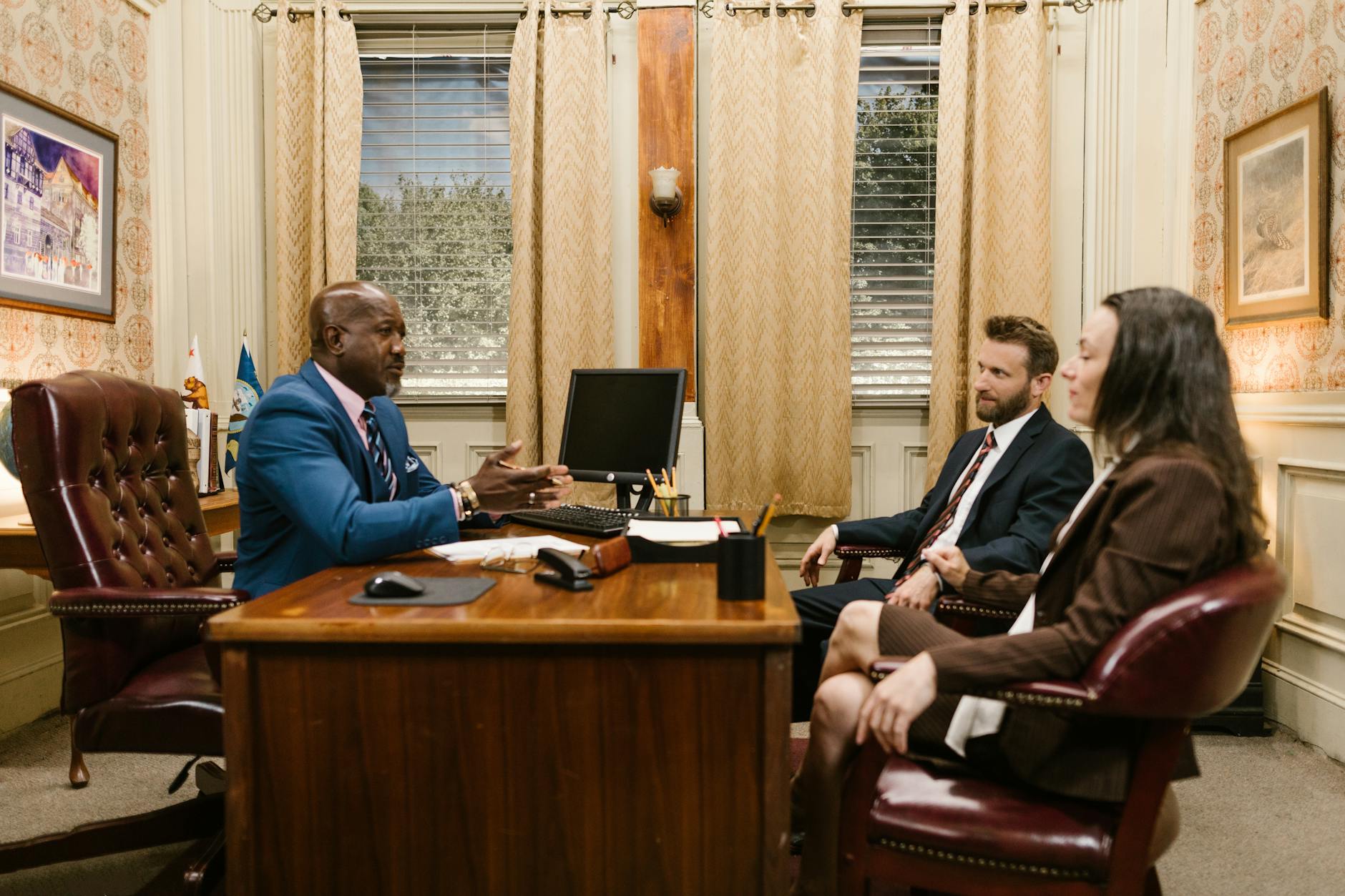
Mesa Car Accident Lawyer Selection: How Family Members Can Help Preserve Evidence
After a serious car crash, it’s common for the injured person to be overwhelmed—dealing with pain, medical appointments, insurance calls, and missed work. In Mesa, family members often become the “organizers” in those first critical days. Done carefully, your help can protect key evidence and make it easier to find the right personal injury attorney Central Mesa accident victims can trust—without accidentally hurting the claim.
This guide explains (1) what evidence matters most after a car accident, (2) how family can preserve it safely and legally, and (3) how to evaluate a car accident lawyer Central Mesa residents may interview—so you can choose a good fit based on objective criteria. For quick help narrowing choices, you can also take the free matching quiz at bestaccidentattorneys.co.
Why early evidence preservation matters in Mesa car accident cases
Car accident evidence can disappear fast. Vehicles get repaired, surveillance video is overwritten, skid marks fade, and witnesses move on. Meanwhile, insurance adjusters may request recorded statements early—sometimes before the injured person even understands the diagnosis.
Family members can help by organizing documentation and preventing avoidable mistakes. That support becomes especially important if the crash happened in high-traffic areas near Downtown Mesa or along the US-60/Superstition Freeway, where multiple cameras, businesses, and witnesses may be involved.
Important: Family support should focus on preserving and collecting information—not confronting the other driver, not negotiating with insurers, and not speculating about fault online.
First priorities: safety, medical care, and a clean record
1) Make sure the injured person gets medical evaluation
Even if symptoms seem “minor,” some injuries (concussions, internal injuries, spinal strains) can worsen later. Help your loved one attend follow-ups and keep a written list of symptoms and limitations. If pain changes over time, note the date and what triggered it.
2) Keep communications simple and consistent
One of the most helpful things families can do is reduce chaos. Designate a single point person to:
- Track bills, appointment dates, and provider contact information
- Store photos and documents in one secure place
- Log insurance calls (date, time, who called, what was discussed)
3) Don’t give recorded statements without understanding the implications
Insurance companies may ask for recorded statements quickly. Families can help by reminding the injured person that it’s okay to pause and get advice first—especially if injuries, medications, or shock could affect memory.
Evidence checklist: what family members can preserve (and how)
Below are practical ways to preserve evidence that often becomes important in a Mesa car accident claim. Use this as a starting point, and keep everything organized by date.
1) Photos and video of the vehicles and scene
If it’s safe and legal to do so, photos and videos can capture details that later disappear. Helpful shots include:
- All sides of each vehicle, including close-ups of damage
- License plates (avoid posting them online)
- Airbag deployment, seatbelt marks, broken glass
- Road conditions, traffic controls, lane markings, and lighting
- Debris field, skid marks, and final resting positions
- Visible injuries (bruising can develop over days—document changes)
Family tip: Create a shared album, then back it up to a second location. Keep originals whenever possible (do not edit metadata).
2) The police crash report and basic identifiers
As soon as practical, help obtain the crash report number and keep a copy when available. Write down:
- Date/time and exact location
- Officer name (if known) and agency
- Names and contact info of drivers and witnesses (if available)
- Insurance carriers and policy numbers (do not share publicly)
3) Witness information (collected carefully)
Witnesses matter, especially if fault is disputed. Family can help by reaching out politely to confirm contact details and ask whether the witness would be willing to speak later. Avoid coaching or suggesting what they “should” say.
4) Dashcam, phone, and vehicle data
If the vehicle has a dashcam, help download and save the file immediately. Many devices overwrite within days. Also consider:
- Photos/videos taken on phones at the scene
- Call logs showing when 911 or family was contacted
- Navigation routes showing the travel path
Important: Do not delete data “to clean up storage.” Preserve first; decide later what’s relevant.
5) Surveillance video from nearby businesses or homes
In busy corridors near Main St or Country Club Dr, businesses may have cameras facing parking lots or streets. Video retention periods can be short. A family member can:
- Identify nearby cameras (stores, gas stations, intersections, apartments)
- Ask politely if footage can be preserved
- Write down who you spoke with and when
If a business won’t release footage to you directly, preserving the lead (location, camera direction, manager name, time range) can still be valuable for a PI attorney Mesa AZ residents consult later.
6) Medical documentation and an “injury timeline”
Help your loved one keep:
- Discharge papers, imaging summaries, prescriptions
- Physical therapy notes and attendance logs
- Receipts for medical devices, co-pays, and travel
- A daily symptom journal (pain levels, sleep, activities limited)
7) Wage loss and life impact evidence
Claims often involve more than medical bills. Family can help document:
- Missed workdays and reduced hours
- Employer letters confirming time missed (if available)
- Cancelled plans, household help needed, childcare costs
- Before/after examples of activities the person can’t do
8) Vehicle repair and total loss records
Before repairs begin, photograph damage thoroughly. Save:
- Tow records
- Repair estimates and invoices
- Rental car receipts
- Communications with the insurer about inspections
What NOT to do: mistakes that can hurt a claim
- Don’t post crash details on social media. Even innocent posts can be misinterpreted.
- Don’t “fill in the blanks.” If you didn’t see it, don’t guess how it happened.
- Don’t argue with the other driver. Keep interactions minimal and documented.
- Don’t sign broad medical authorizations without understanding them. Ask questions first.
- Don’t repair/clean the vehicle before photos are taken. Preserve condition evidence.
Choosing a Mesa personal injury attorney: criteria that matter
Families often search for a “central Mesa personal injury attorney” or “car accident lawyer central Mesa” when the injured person can’t manage calls and research. The goal isn’t to find a flashy ad—it’s to find a qualified professional fit for the case.
1) Relevant case focus and experience
Ask whether the attorney regularly handles motor vehicle collision injury claims (not just “general practice”). Experience with:
- Rear-end and intersection crashes
- Multi-vehicle pileups on highways like the US-60
- Uninsured/underinsured motorist situations
- Serious injury documentation and medical causation issues
2) Clear explanation of Arizona fault rules
Arizona follows a comparative fault approach, meaning fault allocation can affect recovery. A good consult should explain how evidence could influence fault arguments and what to do next to protect the record.
One authoritative reference is Arizona Revised Statutes § 12-250 (comparative negligence principles). An attorney should translate what that means in plain English for your family’s situation.
3) Communication process (who you’ll talk to and how often)
During intake, ask:
- Who is the day-to-day contact (attorney vs. case manager)?
- How are updates provided?
- What does the firm need from family members, and what should family avoid doing?
4) Fee structure explained in writing
Many injury cases use a contingency fee, but details vary. Ask for a written explanation of:
- How fees are calculated
- How case costs are handled (records fees, filing fees, experts)
- What happens if the case doesn’t resolve favorably
5) Track record indicators you can verify
Without relying on marketing claims, focus on verifiable signals:
- Bar standing and discipline history: You can research lawyers through the State Bar of Arizona.
- Client reviews patterns: Look for specifics about communication, organization, and professionalism—avoid being swayed by a single extreme review.
- Case fit: Do they ask detailed questions about injuries, treatment, and evidence? Or do they rush?
How family members can help during attorney consultations
If your loved one wants you present, you can add real value by bringing organized information and helping the attorney see the timeline clearly.
Bring a “consultation packet”
- Crash date/time/location, photos, and report info
- Insurance details (both drivers if available)
- Medical provider list and treatment dates
- Work impact summary (missed days, restrictions)
- Witness list and any surveillance leads
Ask focused questions that reveal competence and fit
- What evidence should we prioritize preserving this week?
- Are there surveillance sources near the crash location we should act on quickly?
- What should we document about symptoms and daily limitations?
- How do you handle disputes about fault in Arizona?
- What are the next steps after we hire you?
Get clarity on boundaries
A good attorney will tell family members what helps (organizing records, identifying video sources) and what can backfire (direct insurer negotiation, social media posts, contacting represented parties). That guidance can prevent unintentional problems.
Why an attorney matching quiz can save time (and reduce stress)
When you’re trying to find a personal injury attorney Central Mesa searches bring up dozens of options—many with similar marketing language. A structured matching approach helps families narrow choices based on objective signals and case needs.
Best Accident Attorneys is a matching platform that ranks hundreds of licensed Arizona personal injury attorneys using an objective scoring system that considers factors such as experience, bar standing, Google ratings and review quality, and specialization. Instead of guessing, you can answer a short set of questions and get matched with pre-vetted options suited to your situation.
Call to action: If your family is trying to choose a PI attorney Mesa AZ accident victims can feel confident about, take the free 8-question matching quiz at bestaccidentattorneys.co.
Arizona deadlines and official resources (know what to ask about)
Legal deadlines can affect whether a case can be filed. An attorney should discuss time limits and any special notice requirements that may apply in crashes involving government vehicles or road conditions.
For example, Arizona’s general statute of limitations for many personal injury claims is commonly referenced under Arizona Revised Statutes § 12-542. This is not legal advice, but it’s a helpful starting point for questions to ask during a consultation.
Local Mesa scenario: how evidence can disappear quickly
Consider a typical Mesa situation: a crash near a shopping area in Superstition Springs after merging traffic along the US-60/Superstition Freeway. There may be multiple potential evidence sources—store cameras, nearby traffic patterns, witnesses who stopped briefly, and vehicle damage patterns that support how impact occurred. If the car is repaired within days or video is overwritten, proving what happened can get harder.
That’s why families who move quickly—without overstepping—often give their loved one a stronger foundation for whatever legal route they choose.
Quick action plan for families (next 72 hours)
- Document: Photos/video, symptom notes, medication effects, and an event timeline.
- Preserve: Dashcam/phone data; do not delete files or edit originals.
- Identify video: List nearby businesses/cameras and retention concerns.
- Organize: One folder for medical, one for vehicle/insurance, one for wages/life impact.
- Choose help: Interview attorneys using objective criteria—and use a structured matching tool to narrow options.
Choosing calmly is choosing wisely
When someone you love is injured, it’s tempting to hire the first name you see. A better approach is to preserve evidence first, then choose representation based on verified credentials, relevant experience, clear communication, and a process that fits your family’s needs.
Ready to start? Take the free 8-question quiz at bestaccidentattorneys.co to get matched with pre-vetted Arizona personal injury attorneys—without relying on guesswork.
Frequently Asked Questions
What evidence should family members collect after a car accident in Mesa?
Focus on preserving what can disappear quickly: scene and vehicle photos, dashcam footage, witness contact details, the crash report number, surveillance camera leads near the location, and a dated symptom and treatment timeline. Keep originals unedited and store backups.
How can we get surveillance video from a business near the crash site?
Act fast because many systems overwrite footage. A family member can visit or call the business, politely ask that footage for the specific date/time be preserved, and write down the manager name and camera direction. Even if they won’t release it directly, documenting the lead can help your attorney request it properly.
What should we look for when choosing a personal injury attorney in Mesa?
Look for relevant motor vehicle crash experience, a clear explanation of Arizona fault rules, transparent fees and costs in writing, a defined communication process, and verifiable bar standing through the State Bar of Arizona. Choose based on fit and clarity—not marketing promises.
Is it okay for family to talk to insurance adjusters for the injured person?
It’s usually safer to limit discussions to basic administrative items (like claim numbers) and avoid giving recorded statements or detailed explanations of fault or injuries without guidance. If the injured person is on pain medication or unsure about details, it’s reasonable to pause and seek legal advice.
How long do we have to file a car accident injury claim in Arizona?
Many personal injury claims are commonly associated with the time limit in Arizona Revised Statutes § 12-542, but deadlines can vary depending on the facts (including potential government involvement). Ask an attorney to confirm the deadlines that apply to your specific situation as soon as possible.
You Might Also Like
Serving All of Arizona
- Eastmark, Mesa
- East Mesa, Mesa
- Northwest Mesa, Mesa
- Downtown Mesa, Mesa
- Superstition Springs, Mesa
- Red Mountain, Mesa
- Dobson Ranch, Mesa
- Tolleson and West Valley Border, Phoenix
Need a Personal Injury Attorney?
Explore Arizona personal injury attorney options — free, no obligation.
Get Matched Free — 60 Seconds (480) 919-3449