Phoenix Personal Injury Attorney: Choosing One in Desert Ridge
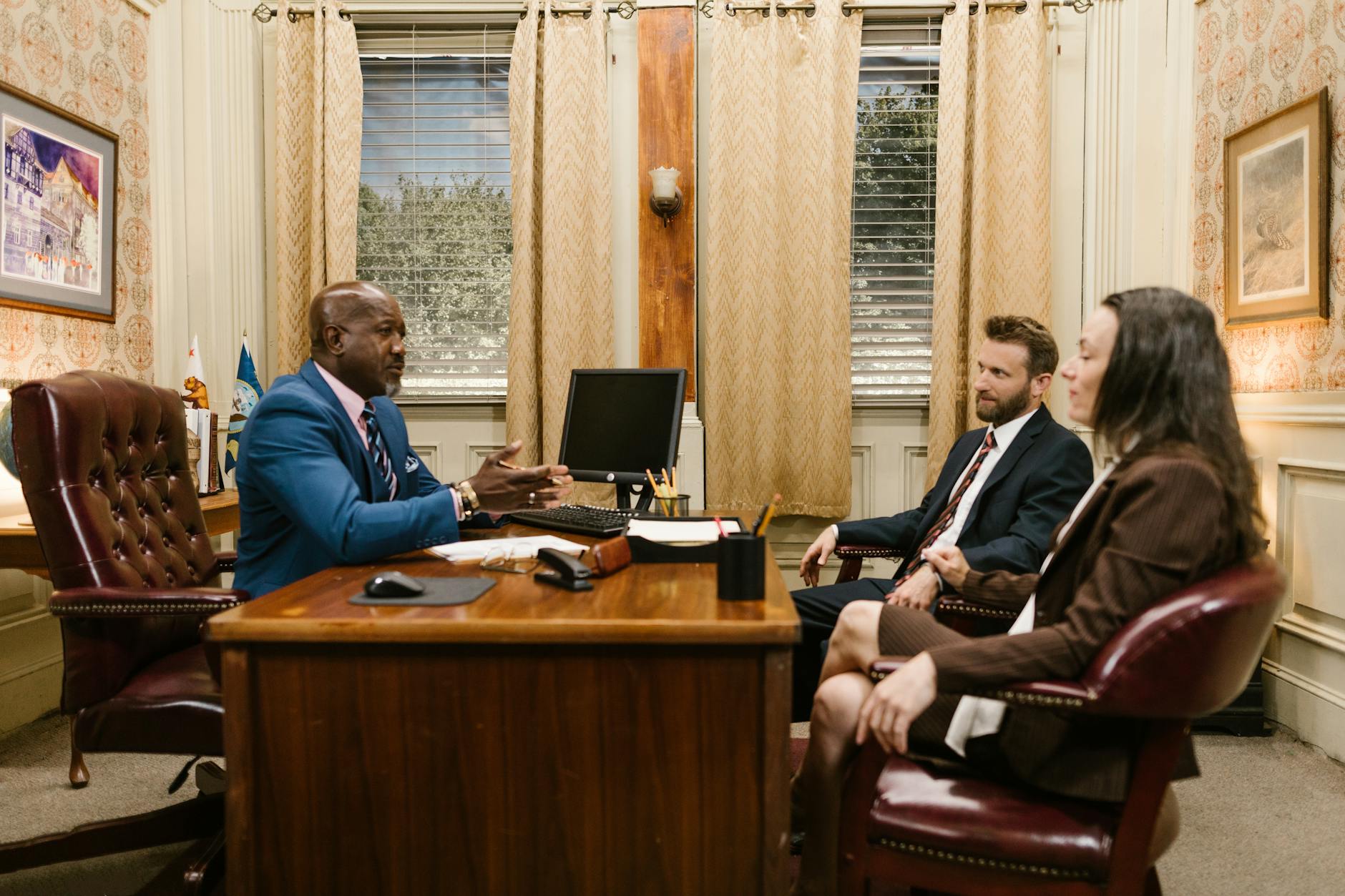
If you were hurt in a crash near Loop 101 and Tatum Blvd—especially around Desert Ridge—one of the first things you’ll hear is, “Who was at fault?” That question matters because fault disputes can slow down a claim, reduce what the insurance company offers, or push the case toward a lawsuit. And when you’re dealing with pain, missed work, and car repairs, the last thing you need is an insurance adjuster using confusion against you.
This guide is for Phoenix drivers and families—especially those in Desert Ridge and nearby areas—who want a clear, practical way to choose the right help. You’ll learn what to look for in a personal injury attorney, how fault works in Arizona, and what steps to take when the other side denies responsibility. If you want a fast way to get matched with a qualified attorney who fits your situation, take the free 8-question quiz at bestaccidentattorneys.co.
Why fault disputes change everything after a Phoenix crash
Many people assume car accident claims are straightforward: one driver ran a red light, so the other driver gets paid. Real life is messier. In Phoenix, fault disputes are common near busy interchanges and shopping corridors because:
- Lane changes and merging create “they cut me off” arguments.
- Left turns often become “they were speeding” vs. “they failed to yield.”
- Rear-end crashes still get contested (sudden stop, mechanical issues, chain reactions).
- Distracted driving is hard to prove without witnesses or digital evidence.
Arizona follows a pure comparative fault system. That means you can still recover damages even if you were partly at fault, but your compensation can be reduced by your percentage of fault. This is grounded in Arizona law (see A.R.S. § 12-2505 on comparative negligence).
In practical terms, when fault is disputed, your next steps should focus on two things:
- Preserving evidence early (photos, video, witness info, medical records).
- Choosing a personal injury attorney who knows how to investigate and build liability—not just “submit paperwork.”
Local context: Desert Ridge traffic patterns and why insurers argue liability
Desert Ridge is a busy, fast-moving area with a mix of local traffic, shoppers, and freeway flow. Collisions near Loop 101 ramps or along major connectors can lead to competing stories about speed, merging, and right of way.
Insurance companies know that when a crash happens near a heavy-traffic corridor, it’s easier to claim “shared blame.” They may argue things like:
- You changed lanes too quickly.
- You didn’t leave enough stopping distance.
- You were “probably” speeding (even without proof).
- Your injuries “must be pre-existing” or “not from this crash.”
That’s why choosing a car accident lawyer in Desert Ridge, Phoenix (or a Phoenix-based PI attorney who regularly handles these cases) is not about picking the closest office—it’s about picking someone who can handle disputed liability and push back with evidence.
First steps to take when fault is disputed (before you pick an attorney)
Even if you’re planning to hire a lawyer, what you do in the first days matters. Here are smart, no-nonsense steps that protect you:
1) Get medical care and follow up
Some injuries don’t show up immediately. Neck and back injuries, concussions, and soft-tissue damage can take time to flare up. Getting evaluated creates medical documentation connecting your injuries to the crash. If you skip follow-up care, insurers often argue you “must not be hurt.”
2) Don’t give a recorded statement without advice
Adjusters may sound friendly, but their job is to reduce payouts. If fault is disputed, a recorded statement can be used to twist your words (“You said you were ‘fine’ at the scene.”). You can provide basic facts, but be cautious about speculation.
3) Save evidence like it’s your job
- Photos of all vehicles, skid marks, debris, and lane positions.
- Dashcam footage (save the original file).
- Names and numbers of witnesses.
- Medical discharge papers and prescriptions.
- Work notes showing missed time and restrictions.
4) Request the crash report when available
A police report isn’t the final word on fault, but it can be influential. If you need guidance on Arizona courts and legal processes, the Arizona Judicial Branch is an authoritative resource for general information.
How to choose a Phoenix personal injury attorney when liability is contested
When fault is disputed, you’re not just hiring someone to negotiate—you’re hiring someone to prove what happened. Use these criteria to compare attorneys in a way that protects you.
1) Experience with fault disputes and evidence development
Ask direct questions:
- How do you handle cases where the other driver denies fault?
- Do you work with accident reconstruction when needed?
- How do you gather video, witness statements, and cell phone records (when appropriate)?
You’re listening for specifics—an actual plan—not vague reassurances.
2) Clear explanation of comparative fault in Arizona
A good attorney should explain comparative fault in plain language and show how it could affect your claim. Arizona’s comparative negligence rule (A.R.S. § 12-2505) is a key reason insurers push “shared blame.” Your lawyer should be able to explain how they counter that.
3) Trial readiness (even if most cases settle)
Many claims resolve without trial, but when fault is contested, the ability to file a lawsuit and litigate can change the negotiating power. You’re not looking for someone eager to go to court—you’re looking for someone prepared to if it becomes necessary.
4) Transparent contingency fees (sin costo inicial)
Most personal injury attorneys in Arizona work on a contingency fee. That typically means:
- No upfront attorney fee (sin costo inicial).
- You generally don’t pay attorney fees unless you win (“no paga nada a menos que gane”).
Still, you should ask how costs are handled (for example, records, filing fees, expert witnesses). A trustworthy attorney will explain this clearly in writing.
5) Communication that fits your life
If you work long shifts, have family responsibilities, or prefer Spanish-language communication, bring that up immediately. Your case can stall when you can’t get updates or don’t understand what’s being asked of you.
6) Real reputation indicators (not just ads)
When comparing options, look for objective signals such as:
- Consistent client reviews over time (not a sudden burst).
- Clear focus on personal injury (not “we do everything”).
- Professional standing and disciplinary history checks through the State Bar of Arizona.
Questions to ask a PI attorney near Tatum Blvd and Loop 101
Whether you’re searching “PI attorney Tatum Loop 101” or “personal injury attorney Desert Ridge Phoenix,” your consultation is your chance to interview the attorney. Here are questions that help you spot quality fast:
- Who will manage my case day-to-day? (Attorney vs. case manager.)
- What are the biggest liability weaknesses you see based on what I’ve told you?
- What evidence do you want me to collect right now?
- How do you handle medical treatment gaps?
- How do fees and case costs work in your contract?
- What should I avoid saying to the insurance company?
If the attorney won’t answer clearly—or pressures you to sign immediately—slow down. You deserve clarity before you commit.
How fault disputes are proven (and what your lawyer may look for)
When the other side argues you share the blame, your attorney may build the case using:
- Vehicle damage patterns (point of impact matters).
- Scene evidence (skids, debris fields, lane markings).
- Witness statements taken early while memories are fresh.
- Video from nearby businesses or traffic cameras (when available).
- 911 calls or first-responder notes.
- Medical timing showing symptoms consistent with the collision.
Tip: if you commute from Desert Ridge toward Central Phoenix for work, keep a short written timeline of what happened and how you felt over the next few days. Small details can matter later when insurers claim your injuries aren’t related.
Common insurance tactics in disputed-fault Phoenix crashes
Knowing the tactics helps you avoid traps. Here are patterns people report after crashes around major Phoenix roads:
“We’re still investigating” delays
Delays can pressure you to accept less because bills pile up. A lawyer can push for clarity, preserve evidence, and keep the claim moving.
Low offers based on “shared blame”
An adjuster may say, “We’re accepting liability at 50/50,” even if that’s not fair. Comparative fault arguments should be backed by evidence—not guesses.
Injury minimization
Insurers may downplay soft-tissue injuries or argue treatment was “too much.” The right attorney focuses on medical documentation and consistency.
Pressuring you to settle before you know the full picture
Once you settle, you typically can’t reopen the claim for additional money later—even if you find out you need more treatment. Getting legal advice before signing is crucial.
Choosing help that levels the playing field (without guessing)
If you’ve never hired a lawyer, it’s normal to feel stuck: you might be searching “car accident lawyer Desert Ridge AZ” and seeing a wall of ads. The hard part is that ads don’t tell you who’s truly qualified for a fault-disputed case.
That’s where an attorney matching platform can help—if it’s built on objective criteria. At Best Accident Attorneys, we rank hundreds of licensed Arizona personal injury attorneys using a 22-point scoring system that considers factors like experience, bar standing, Google ratings, reviews, and specialization. Then we match you to options that fit your accident type and situation through a free 8-question quiz.
Take the free quiz now at bestaccidentattorneys.co to get matched with a vetted Arizona personal injury attorney who can help you understand your next steps—especially if the insurance company is disputing fault.
What to bring to your consultation (so you get better answers)
Even a 15-minute call can be more productive if you’re prepared. Try to gather:
- Crash date/time and location (cross streets are fine, like Loop 101 and Tatum Blvd).
- Photos/video and witness contact info.
- Insurance information (yours and the other driver’s if available).
- Medical visit summaries and bills you’ve received so far.
- A list of symptoms and how they affect work and daily life.
How long do you have to file in Arizona?
Deadlines depend on the type of claim and who is involved. In many personal injury cases, Arizona’s general statute of limitations is two years (see A.R.S. § 12-542). But important exceptions and shorter deadlines can apply in certain situations, including potential claims involving government entities. Because fault disputes take time to investigate, it’s smart to get legal guidance early rather than waiting.
Key takeaways for Desert Ridge drivers dealing with a fault dispute
- Fault disputes are common near high-traffic Phoenix corridors like Loop 101 and major intersections.
- Arizona’s comparative fault rule can reduce compensation if blame is assigned to you—so evidence matters.
- Choose a lawyer based on investigation ability, clear fee explanations, and proven focus on PI work.
- Most PI cases are handled on contingency: no upfront cost, and you generally pay nothing unless you win.
- If you’re overwhelmed by choices, a vetted matching quiz can help you find a strong fit without guessing.
If you’re dealing with pain, missed paychecks, and an insurer that won’t take responsibility, you don’t have to figure this out alone. Take the free 8-question matching quiz at bestaccidentattorneys.co to connect with a pre-vetted Arizona personal injury attorney who can explain your options and help you take the next step.
Frequently Asked Questions
What if the insurance company says I’m partly at fault for a crash near Loop 101?
Arizona uses pure comparative fault, meaning you may still pursue compensation even if you share some blame, but the amount can be reduced based on your percentage of fault. Because insurers often push “shared blame” to lower payouts, document the scene, get medical care, and consider speaking with a personal injury attorney who handles disputed-liability cases.
Do I have to pay upfront for a personal injury attorney in Phoenix?
Most Arizona personal injury attorneys work on contingency, which typically means no upfront attorney fee (sin costo inicial) and you don’t pay attorney fees unless you win (no paga nada a menos que gane). Ask how case costs are handled and get the fee agreement in writing before you sign.
What evidence helps most when fault is disputed in a car accident claim?
Helpful evidence often includes photos and video from the scene, dashcam footage, witness contact information, the crash report, and timely medical records showing your symptoms and treatment. The sooner you preserve evidence, the harder it is for the other side to rewrite what happened.
How do I choose the right personal injury attorney for a Desert Ridge crash?
Focus on attorneys who clearly explain comparative fault, have a plan to investigate and gather evidence, are transparent about contingency fees and costs, and communicate in a way that fits your needs. You can also use a vetted matching service to compare options based on objective criteria instead of advertisements.
How can I get matched with a qualified Arizona personal injury attorney without guessing?
You can take the free 8-question matching quiz at bestaccidentattorneys.co. It helps connect you with pre-vetted Arizona personal injury attorneys based on objective factors like experience, bar standing, reviews, and specialization—especially helpful when fault is disputed.
You Might Also Like
Serving All of Arizona
- Eastmark, Mesa
- East Mesa, Mesa
- Northwest Mesa, Mesa
- Downtown Mesa, Mesa
- Superstition Springs, Mesa
- Red Mountain, Mesa
- Dobson Ranch, Mesa
- Tolleson and West Valley Border, Phoenix
Need a Personal Injury Attorney?
Explore Arizona personal injury attorney options — free, no obligation.
Get Matched Free — 60 Seconds (480) 919-3449