Phoenix Personal Injury Attorney Guide Near Camelback Rd
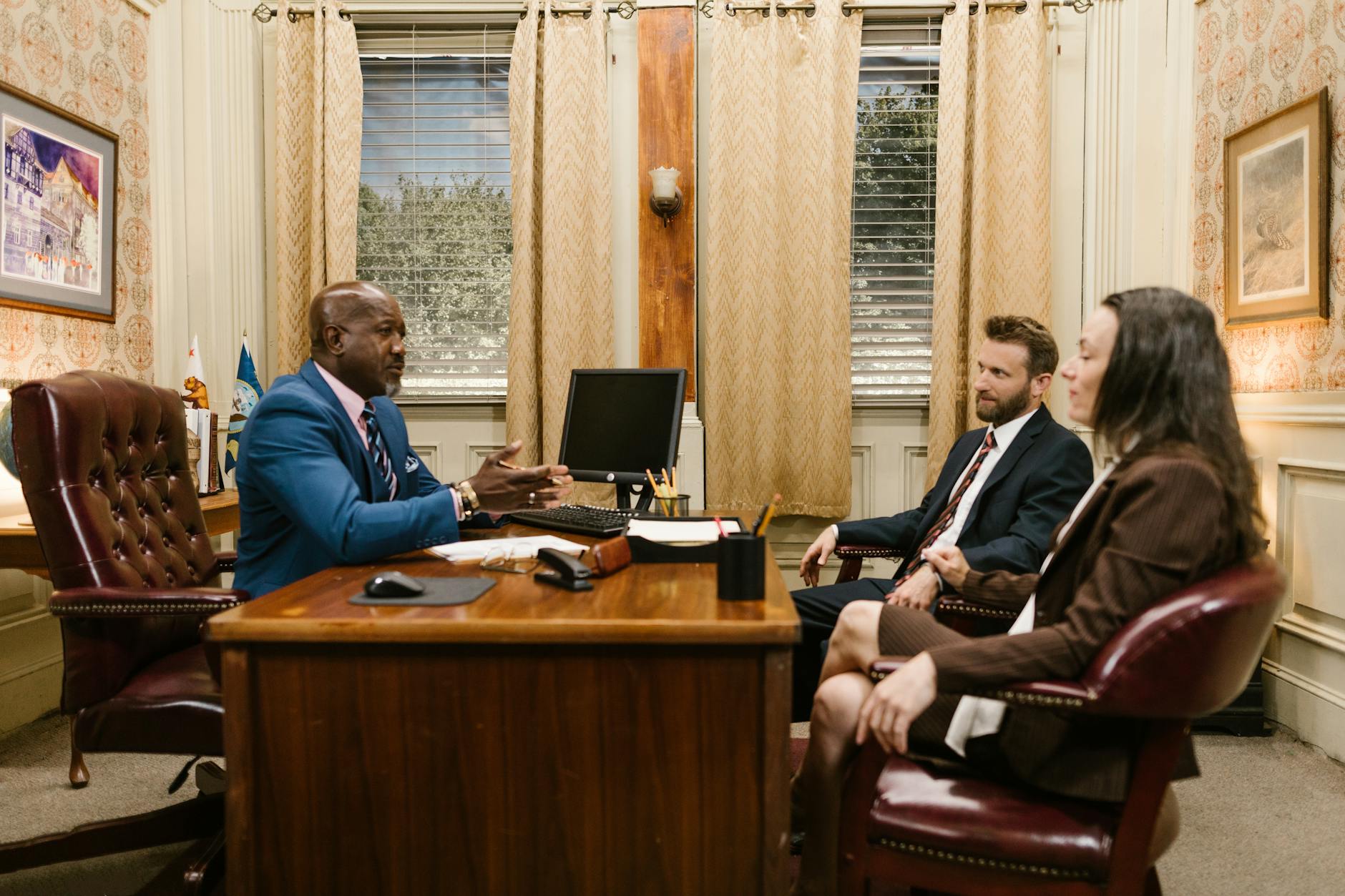
If you were hurt in a car crash near Camelback Rd—maybe coming through the Biltmore area—and you’re overwhelmed, you’re not alone. The first few days after an accident can feel like a blur: medical visits, missed work, calls from insurance adjusters, and a car that may already be headed to a tow yard. In the middle of all that, one thing can quietly make or break a personal injury claim: evidence.
Here’s the good news: even if the injured person can’t do much right now, family members can play a huge role in protecting evidence, organizing paperwork, and helping the injured person find a qualified personal injury attorney in Phoenix—without adding financial stress. Most Arizona personal injury attorneys work on contingency (“sin costo inicial”), meaning no upfront cost and you generally pay nothing unless there’s a recovery (“no paga nada a menos que gane”).
This guide focuses on: (1) how family members can preserve evidence after a crash near Camelback and the Biltmore area, and (2) how to choose a car accident lawyer in Phoenix using criteria that actually matter.
If you want help getting matched with a vetted Arizona personal injury attorney: take the free 8-question quiz at bestaccidentattorneys.co.
Why evidence matters in Phoenix car accident claims
In a perfect world, the at-fault driver’s insurance would accept responsibility and pay fairly. In real life, insurers often look for reasons to reduce or deny claims—especially when there’s limited documentation.
Evidence helps answer the questions adjusters (and, if needed, a jury) care about:
- How did the crash happen? (fault and negligence)
- How severe were the injuries? (medical proof)
- How did the injuries affect daily life and work? (wages, function, pain impact)
- Are the expenses and treatment related to the crash? (causation)
Arizona law also has time limits for filing many civil claims. Under Arizona Revised Statutes § 12-542, many personal injury claims must be filed within two years. Evidence tends to disappear long before that—tow yards dispose of vehicles, surveillance video gets overwritten, and witnesses move on.
What family members can do in the first 72 hours
When someone is injured, they may be medicated, in pain, or simply too overwhelmed to manage details. A spouse, adult child, sibling, or close friend can step in as the “evidence organizer.” Your job isn’t to argue with insurance companies—your job is to preserve facts.
1) Secure the basics: IDs, contacts, and claim info
- Driver’s license and insurance card photos (front/back)
- Other driver’s info (name, insurer, policy number if available)
- Crash report number (if police responded)
- Tow company and vehicle storage location
- Any claim number already assigned by an insurer
2) Photograph injuries and visible bruising—more than once
Bruises and swelling often look worse on day 2–4 than on day 1. Take clear photos in good light:
- Full-body context shot + close-up shot
- Same angle daily for a few days if bruising changes
- Any braces, casts, crutches, stitches, or bandages
3) Preserve the car before it’s repaired or totaled
If the vehicle is at a tow yard or body shop, ask them to hold the vehicle until you’ve taken photos. Key items to capture:
- All sides of the vehicle, including the roof and undercarriage if possible
- Airbag deployment
- Seat belt marks/fraying
- Interior photos (broken glass, dash warnings)
- Child seat condition (if present)
Tip: Crashes around Camelback Rd, 7th St, and the Biltmore area can involve complex lane changes and turning patterns. Vehicle damage angles can support (or contradict) what someone claims happened.
4) Write down “the story” while it’s fresh
Memory fades fast—especially after a traumatic event. Have the injured person dictate (or text) their account, and write it down word-for-word. Include:
- Where they were coming from/going to
- Weather and lighting
- Approximate speed and lane position
- What they saw and heard right before impact
- Any admissions or statements made by others at the scene
5) Identify witnesses and nearby cameras
If the crash happened near businesses—restaurants, shopping areas, parking lots, or intersections—there may be security cameras. Many systems overwrite video within days.
- Write down business names and addresses (don’t rely on memory later)
- Ask witnesses for their phone numbers and a short statement via text
- Take photos of the intersection and camera locations if safe
If the crash involved a highway like I-10, note the approximate mile area and direction of travel. A lawyer can advise on what records may exist and how to request them.
6) Track medical care and symptoms (a simple daily log)
A daily log is not “dramatic”—it’s documentation. Use notes on a phone or a notebook. Each day, record:
- Pain level and where it hurts
- Sleep issues (waking up from pain)
- Limitations (can’t lift, drive, cook, play with kids)
- Appointments, diagnoses, and prescriptions
7) Save every receipt and wage record
- ER and urgent care paperwork
- Pharmacy receipts
- Medical mileage and parking costs
- Employer note showing missed time or reduced hours
What NOT to do (even if the insurer pressures you)
Families often try to be “helpful” and accidentally harm the claim. Avoid these common mistakes:
- Don’t give a recorded statement to the other driver’s insurer without legal advice.
- Don’t guess about speed, injuries, or fault. If you don’t know, say you don’t know.
- Don’t sign medical authorizations you don’t understand. Broad authorizations can expose unrelated history.
- Don’t rush repairs before documenting vehicle damage.
- Don’t post details on social media. Photos and “feeling better” posts can be taken out of context.
How to find a personal injury attorney in Phoenix (and what to look for)
Searching “personal injury attorney Biltmore” or “car accident lawyer Biltmore Phoenix” can produce a lot of ads. Instead of picking based on who shouts loudest, focus on objective criteria.
1) Real car accident experience (not just general law)
Ask whether they regularly handle motor vehicle cases involving:
- Soft-tissue injuries, back/neck injuries, and concussions
- Gaps in treatment (which insurers often criticize)
- Uninsured/underinsured motorist claims
- Disputed liability (lane changes, left turns, red lights)
2) Clear explanation of contingency fees and costs
Many people in West Phoenix and across the city worry, “I can’t afford a lawyer.” In Arizona, personal injury lawyers commonly work on contingency—meaning you typically don’t pay attorney fees up front. Still, you should ask:
- What percentage is the fee, and does it change if a lawsuit is filed?
- What case costs might be advanced (records, filings, experts)?
- How are costs handled if there is no recovery?
3) Professional standing and ethics
You can verify whether an attorney is in good standing and review public discipline information through the State Bar of Arizona. This is a practical step families can take before signing anything.
4) Communication style that fits your family
Some people want frequent updates; others prefer just major milestones. In the consult, ask:
- Who will be my day-to-day contact?
- How do you prefer to communicate—phone, text, email?
- What information do you need from us right now?
5) Comfort handling evidence fast
If the crash happened near a busy area like Downtown Phoenix or along Camelback Rd, video evidence can be time-sensitive. A strong PI attorney should talk immediately about:
- Preserving vehicle evidence
- Requesting crash reports and medical records
- Identifying camera footage and witnesses
How a family member can help choose the right PI attorney near Camelback in Phoenix
If the injured person is resting or recovering, a family member can do the first round of screening. You’re not deciding “who wins the case”—you’re choosing who feels organized, transparent, and experienced.
A simple checklist for the consult call
- They listened without rushing.
- They explained next steps in plain language.
- They discussed contingency fees clearly (sin costo inicial).
- They asked about medical care and symptoms, not just car damage.
- They asked what evidence you already have and what might disappear soon.
- They set expectations without making promises.
Why using a matching service can help (especially when you don’t know where to start)
When you’re injured, you shouldn’t have to gamble on search ads or spend hours calling offices. Using a matching platform can help you compare options using consistent standards.
At bestaccidentattorneys.co, we help Arizona accident victims connect with pre-vetted personal injury attorneys using an objective approach. Our system ranks 428 licensed Arizona personal injury attorneys using a 22-point scoring system that considers factors like experience, bar standing, Google ratings, reviews, and specialization.
To get started: take our free 8-question matching quiz at bestaccidentattorneys.co. It’s designed to help you find a fit—whether your crash happened in the Biltmore area, Arcadia, or along I-10.
Evidence families often forget (but shouldn’t)
Car seat and child injury documentation
If a child was in the vehicle, document the car seat brand/model and condition. Save purchase info if available. If the child was checked medically, keep all discharge paperwork.
Cell phone photos from the scene (including “boring” ones)
Even photos that seem unimportant—like debris location or traffic lights—can help reconstruct what happened.
Ride-share, delivery, or work-related driving details
If the injured person was working (delivery, ride-share, commuting between job sites), note it. Different insurance coverages may apply, and details matter.
When to speak with a Phoenix personal injury attorney
It’s smart to at least get legal guidance when:
- You went to the ER, urgent care, or needed follow-up care
- The insurer is pushing a quick settlement
- Fault is disputed
- You’re missing work or can’t do normal activities
- You suspect video or witness evidence may disappear soon
Even if you’re not ready to “file a lawsuit,” an early consult can help you avoid mistakes, preserve evidence, and understand your options.
Step-by-step: a simple evidence folder any family can create
Create one folder (paper or digital) with these sections:
- Crash: photos, diagram, witness contacts, report info
- Medical: visit summaries, prescriptions, bills
- Work: missed days, employer notes, pay stubs
- Expenses: receipts, mileage, equipment
- Insurance: claim numbers, letters, emails
If you share this with a PI attorney early, it can speed up evaluation and reduce stress.
Next step: get matched with a vetted Arizona PI attorney
If you’re searching for a PI attorney near Camelback in Phoenix or trying to compare options after a crash in the Biltmore area, don’t do it alone—especially while you’re healing.
Take the free 8-question quiz at bestaccidentattorneys.co to get matched with a pre-vetted Arizona personal injury attorney. It’s free, it’s simple, and it helps you find someone who fits your situation—without pressure.
Legal information only, not legal advice. Every case is different.
Frequently Asked Questions
What evidence should family members collect after a Phoenix car accident?
Focus on photos of injuries (over several days), vehicle damage (all angles), the crash location, witness contact info, and a written timeline of what happened. Save all medical paperwork, receipts, and proof of missed work. If the crash was near businesses on Camelback Rd or nearby intersections, write down potential camera locations quickly because footage may be overwritten.
Should we give the other driver’s insurance company a recorded statement?
Many families choose to avoid recorded statements to the other driver’s insurer until they understand their rights and what information is being requested. If you do speak with an adjuster, don’t guess—stick to basic facts. A Phoenix personal injury attorney can advise you on what to share and what documents to provide.
How do contingency fees work for a personal injury attorney in Arizona?
Most Arizona personal injury attorneys work on a contingency fee basis, meaning there is usually no upfront attorney fee (sin costo inicial). The attorney fee is typically a percentage of any recovery. Ask how the percentage works, whether it changes if a lawsuit is filed, what case costs may be advanced, and how costs are handled if there is no recovery.
How can I check if an Arizona attorney is in good standing?
You can confirm an attorney’s status and look for public discipline information through the State Bar of Arizona website. This is a helpful screening step before signing a representation agreement.
How can bestaccidentattorneys.co help me find a Phoenix car accident lawyer?
bestaccidentattorneys.co offers a free 8-question matching quiz that helps connect Arizona accident victims with pre-vetted personal injury attorneys. The platform ranks 428 licensed Arizona PI attorneys using a 22-point objective scoring system that considers factors like experience, bar standing, reviews, ratings, and specialization.
You Might Also Like
Serving All of Arizona
- Eastmark, Mesa
- East Mesa, Mesa
- Northwest Mesa, Mesa
- Downtown Mesa, Mesa
- Superstition Springs, Mesa
- Red Mountain, Mesa
- Dobson Ranch, Mesa
- Tolleson and West Valley Border, Phoenix
Need a Personal Injury Attorney?
Explore Arizona personal injury attorney options — free, no obligation.
Get Matched Free — 60 Seconds (480) 919-3449