Glendale: 10 Red Flags in Arizona Injury Contracts
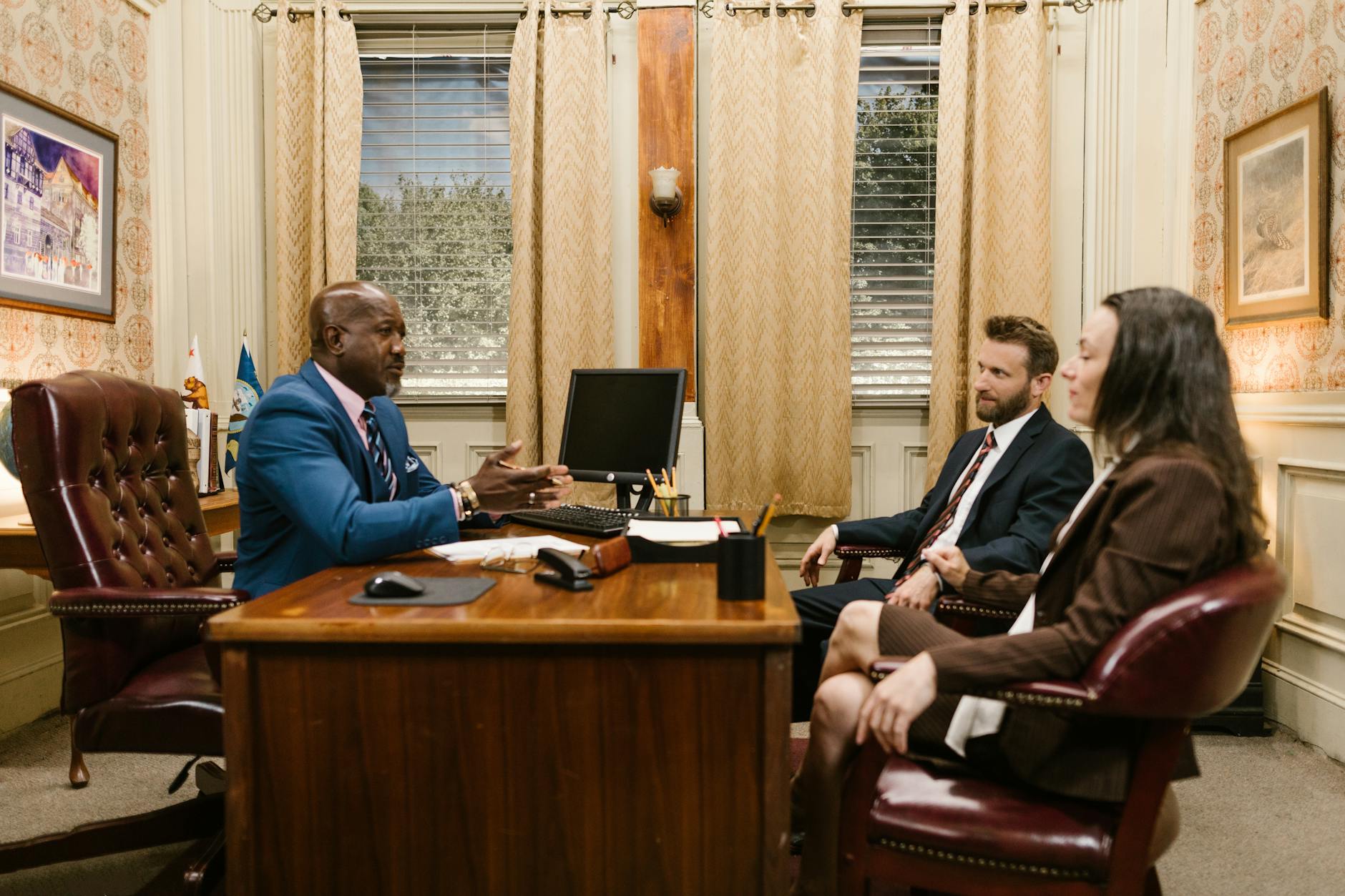
10 Red Flags in a Personal Injury Attorney Contract in Arizona (Glendale Guide) — and How Family Members Can Help Preserve Evidence
If you were hurt in an Arizona crash or other injury incident, the contract you sign with a personal injury lawyer matters. It controls fees, expenses, who does the work, and what happens if you change your mind. This Glendale-focused guide explains common red flags in PI attorney contracts and how family members can protect the claim by preserving evidence—especially during the first days after an accident.
Important: This article is educational and not legal advice. If you need help choosing counsel, you can take the free 8-question matching quiz at bestaccidentattorneys.co.
Why the fee agreement matters in Arizona injury cases
Most personal injury cases use a contingency fee agreement, meaning the lawyer’s fee is typically a percentage of the recovery. But the details can vary widely: how costs are handled, whether the percentage changes after a lawsuit is filed, and who decides on settlement. A contract that’s unclear—or loaded with one-sided terms—can create surprises when you’re already dealing with medical care, work disruption, and stress.
For background on safety rules and reporting that can affect claims, Arizona drivers can reference the Arizona Department of Transportation (ADOT) for crash and roadway information. For attorney regulation and consumer information, the State Bar of Arizona provides guidance on working with licensed attorneys and understanding professional standards.
10 red flags in a personal injury attorney contract in Arizona
Use these as a practical checklist before signing. None of these automatically means you should walk away—but each one is a reason to slow down, ask questions, and compare options.
1) The contract doesn’t clearly explain the contingency fee percentage
A solid agreement states the fee percentage, when it applies, and whether it changes if the case moves from pre-suit negotiations to litigation or trial. A red flag is vague language like “standard fee” without numbers.
- Ask: What exact percentage applies at each stage?
- Ask: Is the fee calculated before or after case expenses are deducted?
2) “Costs and expenses” are not defined—or are unlimited
Nearly every case has costs (medical records, filing fees, investigators, experts). Red flags include broad permission to spend without notice, or no explanation of what counts as a cost.
- Ask: What common costs should I expect in an Arizona injury claim?
- Ask: Will you get my approval before spending over a set amount?
3) You may owe attorney fees even if there’s no recovery
Many agreements state that the attorney fee is contingent on recovery, but you could still be responsible for certain costs. A major red flag is language that could require you to pay fees (not just costs) if the case does not resolve favorably.
- Ask: If there’s no settlement or verdict, what do I owe—if anything?
4) The contract limits your right to end representation
You generally should be able to change counsel, but contracts may explain what happens with unpaid costs or a lien for work already performed. Red flags include penalties that seem punitive or unclear “termination charges.”
- Ask: If I switch attorneys, how are fees/costs handled?
- Ask: Will you provide my file promptly if I request it?
5) The contract gives the lawyer full control over settlement decisions
Settlement should be your decision. Watch for language implying the attorney can accept a settlement without your informed approval, or that you must accept any “reasonable” offer.
- Ask: Do I have the final say on accepting any settlement?
- Ask: How will you explain liens and medical bills before I decide?
6) Confusing language about medical liens, subrogation, or bill negotiation
Injury cases often involve medical liens or reimbursement claims. A red flag is an agreement that avoids the topic or says the client is solely responsible without describing how the firm will help address liens.
- Ask: Will you help negotiate medical liens, and is there a fee for that?
- Ask: How will you keep me updated on lien amounts?
7) No clarity on who will actually handle your case
Some offices assign much of the work to staff or a rotating team. That can be fine if supervised appropriately, but it should be transparent. A red flag is a contract that doesn’t identify who your main contact is or how supervision works.
- Ask: Who is my primary attorney contact and who negotiates with insurers?
- Ask: How often will I receive updates?
8) Pressure to sign immediately (or the contract references “today-only” terms)
Legitimate representation should not require high-pressure tactics. A contract that suggests time-limited fee terms or discourages questions is a red flag—especially right after an accident when you may be medicated or overwhelmed.
- Tip: Ask for a copy to review with family before signing.
9) Arbitration clauses or dispute terms you don’t understand
Some agreements include arbitration or other dispute resolution clauses. These can affect where and how disputes are decided. A red flag is any clause you don’t understand—or that seems to waive important rights—without a clear explanation.
- Ask: If we disagree later, how is the dispute resolved?
- Ask: Does this limit my options under Arizona law?
10) Missing basics: no signed copy, no dates, unclear scope
It’s surprisingly common for people to walk away without a complete copy. Red flags include missing signatures, undated pages, attachments referenced but not provided, or unclear scope (for example, whether the contract covers a specific accident only).
- Do: Get a complete signed copy before you leave or immediately after e-signing.
- Do: Confirm the contract references the correct incident date/location.
Keyword note: If you searched for red flags PI attorney contract AZ, bad attorney contract Arizona, or warning signs personal injury lawyer, the goal is the same: understand what you’re signing and how it affects your finances, control, and communication.
How family members can help preserve evidence (and protect the claim)
Evidence often disappears fast—vehicles get repaired, surveillance video overwrites, and witnesses move on. If the injured person is in pain, hospitalized, or dealing with concussion symptoms, family members can play a critical role.
Step-by-step evidence checklist for families
- Document injuries early (without exaggeration): Take date-stamped photos of visible injuries over time. Keep notes about pain, sleep disruption, and limitations in daily tasks.
- Secure crash and scene info: Save photos of vehicles, roadway conditions, skid marks, traffic signs, and any debris. If the accident happened near a business or intersection, note nearby cameras.
- Preserve digital evidence: Back up photos/videos to a secure cloud folder. Don’t edit originals. Keep the original file metadata intact when possible.
- Collect witness information: Names, phone numbers, and a brief written summary of what they saw. If they text you details, screenshot and save it.
- Protect the vehicle evidence: If safe and possible, don’t rush repairs until the attorney/insurer advises. Photograph the vehicle thoroughly, inside and out, including airbags, seatbelts, and any child seats.
- Track medical care: Create a folder for discharge instructions, prescriptions, and appointment summaries. Write down symptom changes and missed workdays.
- Save receipts and out-of-pocket costs: Mileage to appointments, medical equipment, co-pays, over-the-counter supplies, home assistance—keep everything in one place.
- Be careful with statements: Don’t let a stressed family member provide guesses to an insurance adjuster. If a statement is necessary, stick to facts and avoid speculation.
- Limit social media: Avoid posting about the crash, injuries, activities, or recovery. Even innocent posts can be misunderstood.
Why speed matters: video footage and electronic records
Many systems overwrite footage quickly. A family member can immediately write down nearby businesses, intersections, or residential cameras and share that information with the attorney so proper requests can be made.
Choosing the right personal injury attorney in Glendale: criteria that matter
A contract review is only one part of choosing counsel. You’re also evaluating skill, communication, and fit. Here are criteria that commonly matter for Arizona injury claims:
- Relevant case focus: Look for experience with your injury type (vehicle collisions, pedestrian incidents, premises injuries, etc.).
- Clear explanation of process: A good consult should explain investigation, medical documentation, demand packages, negotiation, and when litigation might be considered.
- Transparent fee and cost structure: You should understand fees, costs, liens, and what happens if you change attorneys.
- Communication standards: Who updates you, how often, and by what method? Do they answer questions directly?
- Credible reputation signals: Look for a consistent pattern of strong public feedback—while remembering reviews are only one data point.
- Good standing: Verify the attorney is licensed and in good standing through the State Bar of Arizona.
Arizona law note: Deadlines can apply to injury claims, and they can differ depending on the facts (including whether a government entity is involved). For example, Arizona’s general limitations framework is found in Arizona Revised Statutes § 12-542 (commonly referenced for certain injury actions). Ask any attorney you consult to explain the deadlines that may apply to your situation.
How to review a PI contract before you sign (family-friendly script)
If a spouse, parent, or adult child is helping, use this simple script during the consult:
- “Please walk us through the fee percentage and when it changes.”
- “What costs do you expect, and do you need our approval for large expenses?”
- “If there is no recovery, what do we owe?”
- “Who will handle the day-to-day work, and how do we get updates?”
- “How do you handle medical liens and reimbursement claims?”
- “If we end representation, what happens to the file and any claimed fees?”
Then ask for a complete copy of the agreement and read it slowly. If any section is unclear, request clarification in writing.
When a matching service helps (and what to look for)
If you’re overwhelmed, comparing attorneys can feel impossible—especially while recovering. A high-quality attorney matching platform can help by narrowing options based on objective criteria and case fit, so you can focus on asking the right questions and reviewing the contract carefully.
At Best Accident Attorneys, we rank hundreds of licensed Arizona personal injury attorneys using an objective scoring system that considers factors such as experience, bar standing, reviews, and practice focus. You can start with a free 8-question quiz to get matched with vetted options—then use the red-flag checklist above to evaluate the contract before signing.
Call to action: Take the free quiz now at bestaccidentattorneys.co.
Quick summary: what to do today
- Don’t sign a contract you don’t understand—ask for clear fee/cost explanations.
- Watch for one-sided clauses about settlement control, termination, and expenses.
- Have a family member preserve evidence: photos, witnesses, receipts, and digital backups.
- Verify licensing and standing with the State Bar of Arizona.
- Compare options efficiently by taking the free matching quiz at bestaccidentattorneys.co.
Frequently Asked Questions
What is the biggest red flag in a personal injury attorney contract in Arizona?
A major red flag is unclear or changing fee language that isn’t explained in plain terms—especially if the agreement doesn’t specify the percentage, when it applies, and whether costs come out before or after the fee is calculated. Ask for the exact numbers and a written explanation of fees and expenses.
Can a family member sign the personal injury contract for an injured person in Arizona?
Usually, the injured person signs their own representation agreement. If the person cannot sign due to medical condition or legal incapacity, signing authority may depend on a valid power of attorney, guardianship, or other legal authorization. Ask the attorney what documentation is required for your specific situation.
What evidence should families preserve right after a crash in Glendale?
Preserve photos and videos of the scene and vehicles, contact information for witnesses, medical paperwork, receipts for out-of-pocket expenses, and any digital files (texts, voicemails, dashcam footage). Back up originals without editing, and note locations of nearby surveillance cameras because footage may be overwritten quickly.
Am I responsible for case costs if my Arizona injury claim does not settle?
It depends on the contract. Many contingency agreements make attorney fees dependent on recovery, but some costs (like records fees or filing costs) may still be the client’s responsibility. Before signing, ask what you would owe if there is no recovery and have the answer confirmed in writing.
How can I verify an Arizona personal injury attorney is licensed and in good standing?
You can check licensing and standing through the State Bar of Arizona’s public resources. It’s also reasonable to ask the attorney directly about their status, relevant experience, and who will handle the day-to-day work on the case.
You Might Also Like
Serving All of Arizona
- Eastmark, Mesa
- East Mesa, Mesa
- Northwest Mesa, Mesa
- Downtown Mesa, Mesa
- Superstition Springs, Mesa
- Red Mountain, Mesa
- Dobson Ranch, Mesa
- Tolleson and West Valley Border, Phoenix
Need a Personal Injury Attorney?
Explore Arizona personal injury attorney options — free, no obligation.
Get Matched Free — 60 Seconds (480) 919-3449